
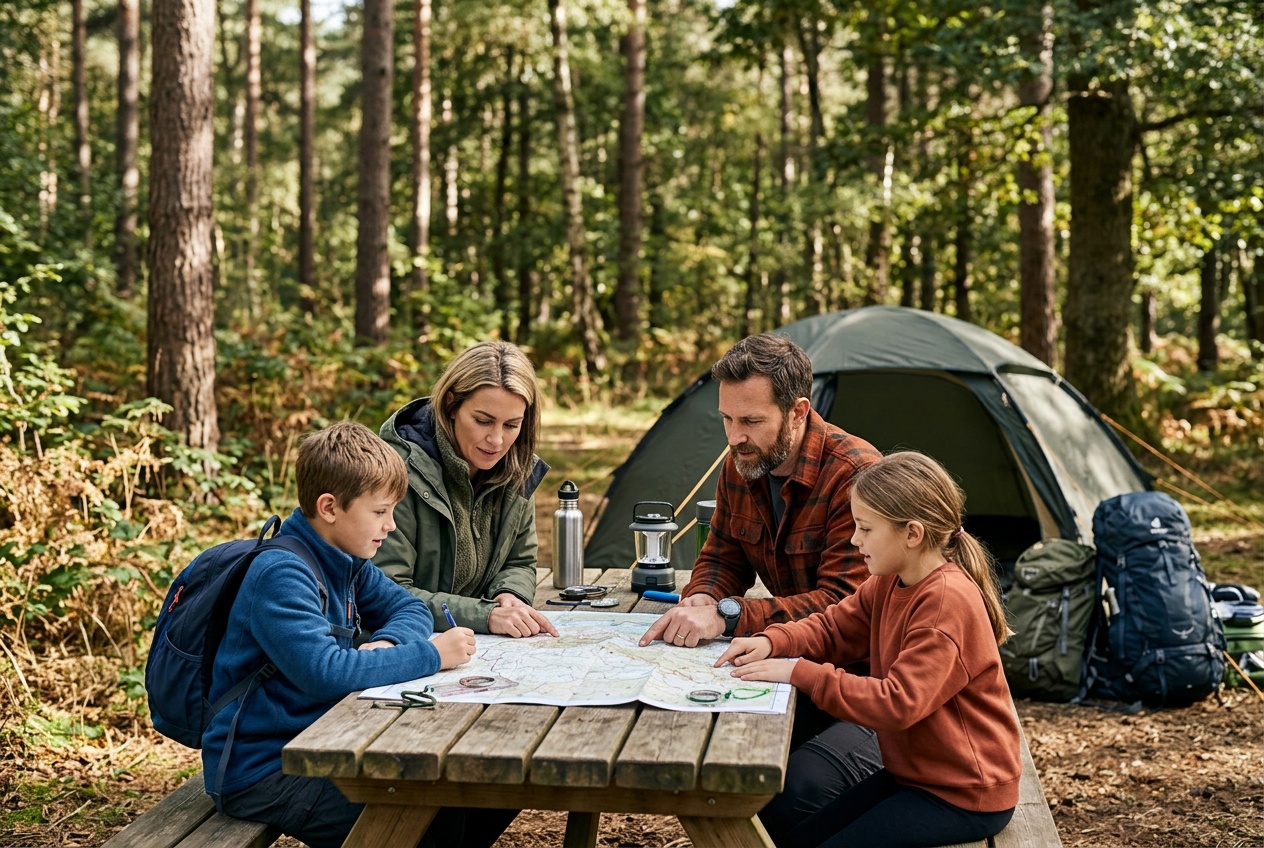
Camping with kids can feel overwhelming, but it doesn’t have to be. I’ve learned that the key is breaking down the planning process into manageable steps and preparing for the unique needs children have outdoors.
A successful camping trip with kids requires choosing the right location, packing appropriate gear, planning simple meals, and preparing activities that match your children’s ages. When you take time to plan these elements before you leave home, you avoid common problems that can turn a fun adventure into a stressful experience.
In this guide, I’ll walk you through everything from picking a campsite that works for families to handling safety concerns and keeping kids entertained. You’ll also learn how to set clear expectations and make the most of your time together in nature.
Choosing Family-Friendly Destinations
The right campground can make or break your family camping experience. I focus on finding sites with kid-appropriate amenities, strong safety features, and activities that keep children engaged.
Factors to Consider for Kid-Friendly Campsites
I always check if a campground has clean bathrooms and running water nearby. Kids need frequent bathroom breaks, and having facilities within walking distance prevents middle-of-the-night emergencies.
Look for sites with level ground for easier tent setup and safer play areas. Campsites near water sources like lakes or streams offer natural entertainment, but I make sure they have barriers or are shallow enough for safe supervision.
I prefer campgrounds with designated quiet hours. This helps kids maintain regular sleep schedules and keeps neighboring campers happy.
Key amenities I look for:
- Flush toilets or well-maintained facilities
- Potable water access
- Fire rings or grills
- Picnic tables
- Trash disposal
- Cell phone reception (for emergencies)
I also check the distance between sites. More space means kids can play without disturbing others.
Safety Features to Look For
I prioritize campgrounds with on-site rangers or camp hosts. They provide quick help during emergencies and enforce rules that keep everyone safe.
Good lighting along paths prevents trips and falls after dark. I avoid campsites with steep drop-offs, fast-moving water, or dense wilderness areas where kids could wander off.
I check for wildlife warnings before booking. Some areas have bears, snakes, or other animals that require extra precautions. Campgrounds with wildlife-proof storage and clear guidelines make me feel more secure.
The best family campsites have designated swimming areas with lifeguards or clear depth markers. I never rely on natural bodies of water without knowing what’s beneath the surface.
Popular Locations for Camping with Children
National parks offer educational programs through Junior Ranger activities. My kids earn badges while learning about nature and conservation.
State parks typically have shorter trails and more developed facilities than remote wilderness areas. They balance outdoor adventure with conveniences that make camping with kids manageable.
KOA campgrounds and similar private sites often include playgrounds, pools, and organized activities. These spots work well for first-time camping families who want extra support.
Beach campgrounds give kids endless entertainment through sand play and tide pool exploration. Mountain sites offer cooler temperatures during summer months and opportunities for wildlife spotting.
I recommend starting with campgrounds within two hours of home. This allows for quick returns if someone gets sick or forgets critical supplies.
Determining the Right Timeframe
The timing of your camping trip affects everything from crowd levels to what activities your kids can enjoy. I focus on picking dates that work for my family’s schedule, choosing the right trip length, and checking seasonal conditions.
Selecting Suitable Dates
I start by looking at my family’s calendar to find windows when everyone is available. School breaks and long weekends work well for camping trips. Summer offers the most flexibility, but I also consider spring and fall when campgrounds are less crowded.
I check if the campground requires reservations and how far in advance I need to book. Popular campgrounds fill up months ahead, especially for summer weekends. I aim to book at least 2-3 months early for peak season dates.
I avoid scheduling trips right after major life events or during busy work periods. Kids do better when they’re not exhausted from other activities. I also skip dates that conflict with important family events or school projects.
Planning the Trip Duration
I recommend starting with a 2-3 night trip for your first camping experience with kids. This gives everyone time to adjust without feeling overwhelmed. Shorter trips let me test our gear and routines before committing to longer adventures.
For experienced camping families, 4-5 nights works well. This length provides enough time to explore the area and relax without rushing. I find that trips longer than a week require more planning for food and supplies.
I factor in travel time when deciding trip length. If the campground is 3 hours away, I don’t plan a one-night trip. The drive isn’t worth such a short stay.
Accounting for Weather and Seasons
I check historical weather data for my camping location during my planned dates. Each season brings different conditions that affect what gear I need and what activities we can do.
Spring (March-May) means unpredictable weather and possible rain. I pack extra layers and waterproof gear.
Summer (June-August) offers warm weather but crowded campgrounds. I plan for heat management and book early.
Fall (September-November) provides cooler temperatures and fewer bugs. I bring warmer sleeping bags and check for early closures.
I always look at the 10-day forecast before leaving and adjust my packing list based on expected conditions. I also check for any weather warnings or fire restrictions in the area.
Packing Essentials for Children
Kids need different items than adults when camping, and forgetting something important can turn a fun trip stressful. I focus on clothes that layer well, gear sized for small bodies, and comfort items that help children feel secure outdoors.
Clothing and Footwear Needs
I pack layers for each child because temperatures change throughout the day and night. Start with moisture-wicking base layers that keep skin dry. Add insulating mid-layers like fleece jackets or hoodies.
For the outer layer, I bring a waterproof jacket and pants. Kids get wet from rain, dew, and playing near water.
Daily clothing checklist per child:
- 2-3 t-shirts or long-sleeve shirts
- 2 pairs of pants (quick-dry fabric works best)
- 1 pair of shorts
- 4-5 pairs of socks (extra for wet feet)
- 4-5 pairs of underwear
- 1 warm jacket or fleece
- 1 hat for sun protection
- 1 warm beanie for cold mornings
I pack broken-in hiking boots or sturdy sneakers with good ankle support. Bring camp shoes or sandals for wearing around the campsite. Never let kids wear new shoes on a camping trip.
Gear and Equipment Checklist
Each child needs a sleeping bag rated for the lowest temperature you expect. I add a sleeping pad underneath for warmth and cushioning against hard ground.
Kids should have their own flashlight or headlamp with extra batteries. I attach glow sticks to their tent or sleeping bags so they can find their way at night.
Essential gear items:
- Age-appropriate backpack (if hiking)
- Water bottle (labeled with their name)
- Whistle attached to their jacket
- Small first aid kit for their pack
- Insect repellent (kid-safe formula)
- Sunscreen (SPF 30 or higher)
I bring comfort items like a favorite stuffed animal or blanket. These familiar objects help kids sleep better in new places.
Toiletries and Personal Items
I pack travel-size toiletries in a waterproof bag for each child. Include biodegradable soap, toothbrush, toothpaste, and a small towel.
Wet wipes work better than washing for quick cleanups. I bring baby powder or anti-chafing balm to prevent irritation from walking and sweating.
Pack any medications your child takes regularly, plus children’s pain reliever and antihistamine. I keep these in a labeled container with dosing instructions.
Don’t forget these items:
- Lip balm with SPF
- Hairbrush or comb
- Hair ties (for long hair)
- Tissues or toilet paper
- Hand sanitizer
- Diaper supplies (if needed)
I store everything in clear ziplock bags so items stay dry and I can see what’s inside each bag quickly.
Meal Planning and Nutrition
Kids need regular, familiar foods to stay happy and energized during camping trips. I focus on simple meals that don’t require refrigeration for long periods and snacks that provide steady energy throughout the day.
Choosing Kid-Approved Camping Meals
I pack foods my kids already eat at home to avoid mealtime battles in the wilderness. Hot dogs, pasta, and quesadillas work well because they’re easy to cook over a camp stove or fire.
For breakfast, I bring instant oatmeal, cereal with powdered milk, or pancake mix. These options fill kids up without requiring complicated cooking. I also pack eggs in a secure container if I have a cooler.
Lunch is usually simple. I make sandwiches with peanut butter and jelly or deli meat. Trail mix, granola bars, and fruit pouches serve as quick snacks between meals.
For dinner, I plan one-pot meals like chili, mac and cheese, or foil packet dinners with chicken and vegetables. These meals reduce cleanup time and use fewer dishes.
Easy Camping Meal Ideas:
- Breakfast: Oatmeal, cereal, scrambled eggs
- Lunch: Sandwiches, crackers with cheese, apple slices
- Dinner: Hot dogs, pasta with sauce, tacos
- Snacks: Trail mix, granola bars, dried fruit
Safe Food Storage and Preparation
I store raw meat separately from other foods in sealed containers or bags. This prevents cross-contamination that can make my family sick.
My cooler stays closed as much as possible to maintain cold temperatures. I pack items I’ll need first on top and put ice or frozen water bottles throughout the cooler. The cooler temperature should stay below 40°F.
I bring hand sanitizer and biodegradable soap for washing hands before cooking. Clean hands prevent germs from spreading to food.
I cook all meat to proper temperatures. Ground beef needs to reach 160°F, and chicken must hit 165°F. I use a food thermometer to check.
Allergy Management and Special Diets
I bring separate cooking equipment for my child with food allergies. This includes a dedicated cutting board, utensils, and pots to avoid allergen exposure.
I read labels on all packaged foods before the trip. Even familiar products can change ingredients. I pack safe alternatives for common camping foods if needed.
For kids on special diets, I prepare meals ahead and freeze them. These pre-made meals just need reheating at camp. I label everything clearly with the child’s name and contents.
I inform other families in my camping group about my child’s allergies. This helps everyone stay aware during shared meals or snack time.
Age-Appropriate Activities
Kids of different ages need different types of activities to stay engaged and happy during a camping trip. Toddlers enjoy simple exploration, while older children can handle more complex tasks and games.
Outdoor Games and Exploration
I always pack a variety of outdoor games that match my kids’ ages and abilities. For toddlers ages 2-4, I bring bubble wands, sidewalk chalk, and simple scavenger hunt cards with pictures of leaves, rocks, and flowers. Preschoolers ages 4-6 enjoy playing hide-and-seek around the campsite, collecting pine cones in buckets, and splashing in shallow streams with adult supervision.
Elementary-age kids from 6-10 need more active games. I organize relay races, nature bingo with items they need to find, and flashlight tag after dark. These kids also love building forts with sticks and exploring marked trails on their own.
Preteens and teens ages 10 and up prefer activities with more challenge. I let them try geocaching using a GPS device, identify animal tracks, or learn basic orienteering with a compass and map. They often enjoy photography walks where they capture interesting plants and wildlife.
Nature-Themed Learning Opportunities
I turn camping into hands-on learning without making it feel like school. My younger kids ages 3-7 practice counting rocks, sorting leaves by size and color, and learning basic animal names from the creatures we spot.
For kids ages 7-12, I bring field guides to identify birds, insects, and plants we encounter. We keep a camping journal where they draw what they see and write down interesting facts. They can also learn about weather patterns by observing clouds and tracking temperature changes.
Older kids ages 12 and up can study more complex topics. I teach them about local ecosystems, how to identify edible versus poisonous plants, and the principles of Leave No Trace camping. They often enjoy learning survival skills like fire building, water purification, and knot tying.
Creative Crafts and Relaxation
I always bring simple craft supplies that use natural materials. Young children love making bark rubbings with crayons and paper, creating leaf collages, or painting rocks they find. These activities work well during quiet time or when weather keeps us in the tent.
Older kids enjoy more detailed projects. They can weave grass bracelets, build fairy houses from twigs and moss, or create nature mandalas using flowers and stones arranged in circular patterns.
For evening relaxation, I have everyone work on a group project like stringing a pinecone garland for our campsite or making s’mores while telling stories. Quiet activities like stargazing, reading by lantern light, or playing card games help wind down before bedtime.
Health, Hygiene, and Safety Precautions
Keeping kids healthy and safe while camping requires planning ahead with the right supplies and clear procedures. I focus on three main areas: medical readiness, protection from outdoor elements, and knowing what to do in emergencies.
First Aid Preparedness
I always pack a complete first aid kit before any camping trip with kids. The kit needs adhesive bandages in multiple sizes, antibiotic ointment, gauze pads, medical tape, and tweezers for splinters. I include pain relievers like acetaminophen or ibuprofen that are appropriate for my children’s ages.
Blisters happen often on camping trips, so I pack moleskin or blister bandages. I also bring any prescription medications my kids need, plus extras in case the trip runs longer than planned. Antihistamines are important for allergic reactions to plants or bug bites.
I keep the first aid kit in an easy-to-reach spot that all adults know about. Before leaving home, I check expiration dates on all medications and replace anything that’s too old.
Sun and Insect Protection
I apply sunscreen with at least SPF 30 to my kids every two hours, or more often if they’re swimming. I choose water-resistant formulas and make sure to cover ears, necks, and the tops of feet.
Hats with wide brims protect faces and necks from sun damage. I dress my kids in lightweight, long-sleeved shirts and pants when possible, especially during peak sun hours from 10 AM to 4 PM.
For insects, I use repellents with 10-30% DEET for kids over two months old. I spray it on clothes rather than directly on skin when I can. I check my kids for ticks every evening, paying close attention to hairlines, behind ears, and in armpits. If I find a tick, I remove it with fine-tipped tweezers by pulling straight up without twisting.
Emergency Procedures
I save the local ranger station number and nearest hospital address in my phone before arriving at the campground. I write this information on paper too, in case my phone dies or loses signal.
I teach my kids to stay in one place if they get separated from the group. They know to make noise by yelling or using a whistle I give each of them to wear. I take a current photo of each child on my phone at the start of the trip to show others if needed.
I establish clear campsite boundaries and explain which areas are off-limits. My kids know never to approach wildlife and to tell me immediately if they see any animals near our site. I keep a charged backup battery for my phone and a flashlight with extra batteries in case of nighttime emergencies.
Creating a Kid-Friendly Itinerary
A good camping itinerary with kids needs a balance between fun activities and rest time, and children stay more excited when they help choose what to do.
Balancing Activities and Downtime
I plan no more than two or three activities per day when camping with kids. Young children get tired quickly, and overscheduling leads to meltdowns and stress for everyone.
I schedule active activities like hiking or swimming in the morning when kids have the most energy. After lunch, I build in quiet time for rest, reading, or simple camp activities. This prevents exhaustion and keeps everyone in better spirits.
Sample Daily Schedule:
- 8:00 AM - Breakfast and cleanup
- 9:30 AM - Morning hike or nature walk (1-2 hours)
- 12:00 PM - Lunch and quiet time
- 2:00 PM - Swimming or camp games
- 5:00 PM - Dinner prep and campfire
- 7:30 PM - Bedtime routine
I always leave gaps in the schedule for spontaneous moments. Kids might want to explore longer at a creek or spend extra time watching wildlife. Flexibility makes camping more enjoyable than rushing from one thing to the next.
Involving Kids in the Planning Process
I give my kids age-appropriate choices during trip planning. Young children can pick between two hiking trails or choose what snacks to bring. Older kids can research campground activities or help plan meals.
I use a simple planning sheet where each child lists one activity they want to do. This gives them ownership of the trip and reduces complaints later. When kids feel heard, they cooperate better at camp.
I let older children help with practical tasks like packing their backpack or reading the trail map. These responsibilities build confidence and keep them engaged. Even simple choices like picking the campsite location within the campground makes kids feel included in the adventure.
Setting Expectations and Rules
Kids need clear boundaries before arriving at the campground, and they should understand basic outdoor ethics to protect nature for future campers.
Establishing Campground Guidelines
I always review the specific rules with my kids before we leave home. Most campgrounds have quiet hours between 10 PM and 6 AM, and I make sure my children understand they need to use indoor voices during these times.
I explain the boundaries of where they can explore on their own. Younger kids stay within eyesight of the campsite. Older kids might walk to the bathroom alone, but they must tell me first.
Basic campground rules I cover:
- Stay on marked trails and paths
- No running near fire pits or cooking areas
- Ask permission before visiting other campsites
- Keep food stored in containers or the car
- Use flashlights after dark instead of shouting
I assign each child specific responsibilities like gathering kindling or organizing their sleeping bag. This gives them ownership of the trip and reduces behavior problems.
Teaching Leave No Trace Principles
I teach my kids the core rule: leave the campsite cleaner than we found it. This means picking up all trash, even if it’s not ours.
I show them how to dispose of waste properly. Food scraps go in sealed bags in the trash, not scattered in the woods. We pack out everything we pack in, including fruit peels and snack wrappers.
I demonstrate staying on trails to avoid damaging plants and disturbing wildlife habitats. My kids learn to observe animals from a distance and never feed them.
We practice campfire safety together. I explain that rocks and wood at the campsite should stay where we found them. Moving natural items disrupts the ecosystem and affects other campers’ experiences.
Fostering Family Bonding and Fun
Camping trips create natural opportunities for families to connect through shared experiences. Building traditions around the campfire and working together on camp tasks strengthens relationships in ways that daily life at home often can’t match.
Campfire Traditions and Storytelling
I recommend establishing a nightly campfire routine that your family can look forward to on every trip. This might include roasting marshmallows at 8 PM, singing specific songs, or taking turns sharing stories.
Storytelling works especially well because it requires no equipment or preparation. I suggest starting with simple formats like each person sharing their favorite part of the day or telling a funny memory from past trips. Kids often enjoy spooky stories, but I keep them age-appropriate to avoid nightmares.
Another tradition I find valuable is the “campfire question” where one person asks something like “If you could have any superpower, what would it be?” This gets everyone talking and laughing together. You can also bring a small notebook to record these moments and answers over the years.
The key is consistency. When kids know what to expect each evening, they anticipate it and feel more connected to the camping experience.
Encouraging Teamwork and Cooperation
I assign age-appropriate tasks to each family member to build a sense of shared responsibility. Young children can gather small sticks for kindling or help unroll sleeping bags. Older kids can assist with tent setup or meal preparation.
Sample Task Assignments:
- Ages 4-6: Collecting pinecones, arranging shoes outside tent
- Ages 7-10: Fetching water, organizing supplies, helping with meals
- Ages 11+: Setting up tent, managing campfire, washing dishes
I make sure to pair kids together on certain tasks so they learn to communicate and problem-solve as a team. When siblings work together to build a campfire or clean up after dinner, they develop cooperation skills.
I also praise specific efforts rather than just results. Saying “I noticed how you helped your brother carry that heavy cooler” reinforces teamwork better than generic compliments.
Post-Trip Reflection and Learning
I always take time after a camping trip to think about what worked and what didn’t. This helps me plan better trips in the future.
I sit down with my kids within a day or two of getting home. We talk about their favorite parts of the trip. I ask them what they didn’t like too.
Questions I ask my kids:
- What was your favorite activity?
- What food did you like best?
- Was anything scary or uncomfortable?
- What would you want to do differently next time?
I write down their answers in a notebook or on my phone. These notes become my guide for the next camping trip.
I also think about the practical stuff. Did I pack too much or too little? Did I forget anything important? I make a list of items to add or remove from my packing list.
Things I review:
| Category | What to Consider |
|---|---|
| Gear | Did everything work properly? |
| Food | Did we have enough? Any waste? |
| Activities | What kept the kids engaged? |
| Safety | Were there any close calls? |
I look at photos from the trip with my kids. This brings back memories and helps them process the experience. They often remember details I forgot about.
I update my camping checklist based on what I learned. Small improvements each trip make camping with kids easier and more enjoyable over time.