
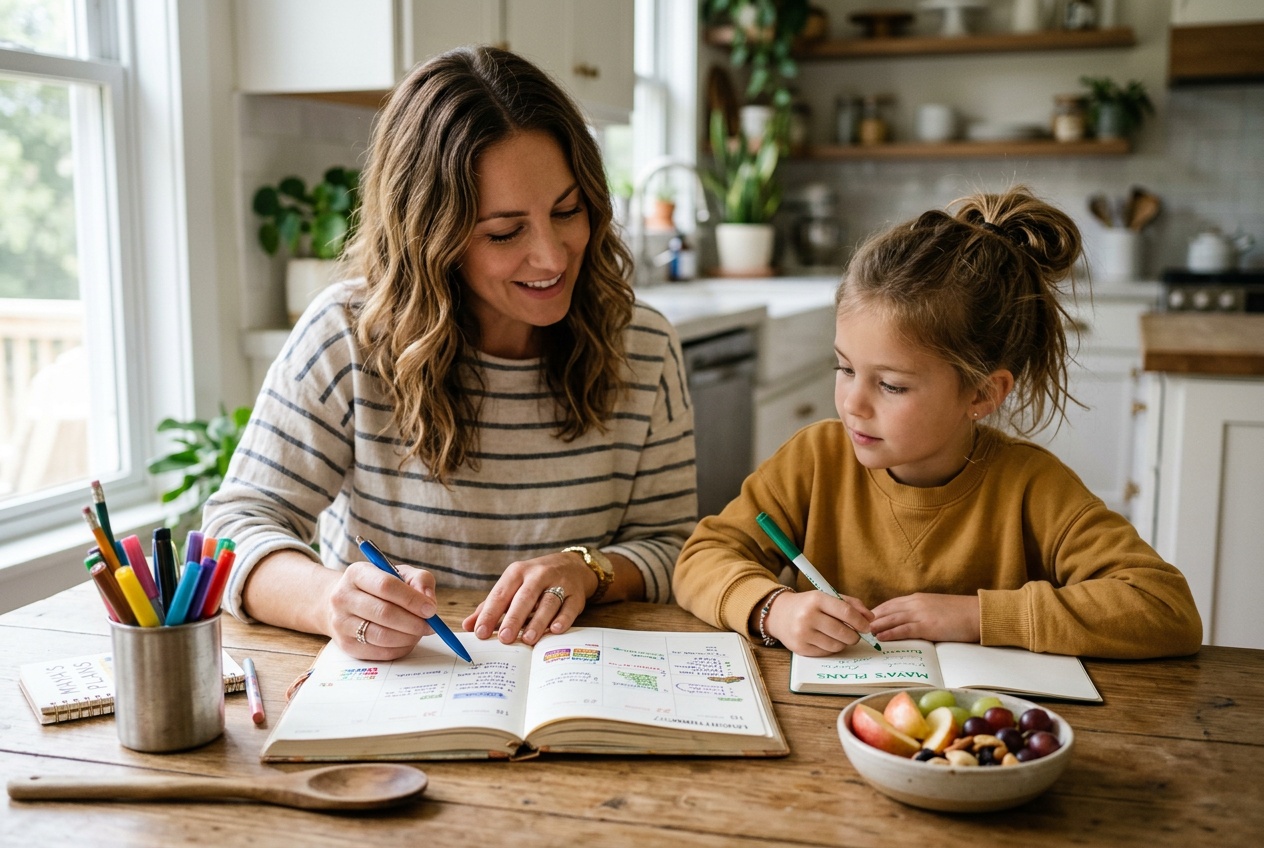
After school can feel chaotic when kids come home tired and hungry while parents try to balance homework, activities, and family time. A good after-school routine includes a healthy snack, time for homework, physical activity, and some free play before dinner. This structure helps kids know what to expect and makes the transition from school to home much smoother.
I’ve found that creating this routine doesn’t have to be complicated or strict. The goal is to build a flexible framework that meets your child’s needs while reducing daily stress. Small changes can make a big difference in how your afternoons and evenings flow.
This guide will walk you through understanding what your child needs after school and how to build habits that stick. You’ll learn practical ways to handle homework, encourage healthy activities, and adjust your routine as your family’s needs change.
Understanding After-School Needs
Kids need different things at different ages, and recognizing when they feel stressed helps you build a routine that supports both schoolwork and personal interests.
Identifying Age-Appropriate Activities
Elementary school kids (ages 5-10) need more physical activity and shorter focus periods. I recommend planning 30-minute activity blocks with frequent breaks. These younger children benefit from hands-on tasks like building blocks, outdoor play, or simple art projects.
Middle schoolers (ages 11-13) can handle longer activities but still need variety. Their after-school time should include 45-minute blocks for homework, with space for hobbies or social activities. At this age, kids start developing specific interests like sports teams, music lessons, or coding clubs.
High school students (ages 14-18) require more independence in their routines. I suggest letting them take the lead in scheduling their afternoon, with check-ins rather than constant supervision. They can manage 60-90 minute study sessions and balance multiple commitments like part-time jobs, sports, or volunteer work.
Recognizing Signs of Overwhelm
Common warning signs include:
- Frequent complaints about being tired
- Irritability or mood swings
- Avoiding homework or activities they used to enjoy
- Changes in sleep or eating habits
- Physical symptoms like headaches or stomachaches
I watch for behavior changes that last more than a few days. A child who suddenly refuses to attend their favorite activity might be overscheduled. Kids who rush through homework or seem anxious about their schedule need adjustments.
When I notice these signs, I cut back on one activity at a time. Sometimes kids need a full week with minimal commitments to reset. I ask them directly what feels like too much rather than guessing.
Balancing Academic and Personal Growth
Homework should take priority, but it shouldn’t consume all after-school hours. I use the 10-minute rule: multiply the grade level by 10 to find appropriate homework time. A third grader should spend about 30 minutes on homework, while a seventh grader might need 70 minutes.
Personal growth activities matter just as much as academics. I make sure my child has time for at least one non-academic pursuit they choose themselves. This might be playing an instrument, drawing, playing outside, or reading for fun.
I schedule free time into the routine deliberately. Kids need unstructured time to relax, process their day, and explore interests without adult direction. I block out 30-60 minutes each day where my child decides what to do without assignments or planned activities.
Establishing Structure and Consistency
A solid after school routine needs set times for main activities and a visual way to track them. Kids do better when they know what to expect each day but also have some room to make their own choices.
Setting Regular Times for Key Activities
I recommend picking specific times for the most important parts of your child’s afternoon. Snack time, homework, and dinner should happen at roughly the same time each day.
Key activities to schedule:
- Snack time (within 30 minutes of getting home)
- Homework session (same start time daily)
- Dinner (consistent each evening)
- Bath or shower time
- Bedtime routine
When kids know that homework always starts at 4:00 PM, they stop arguing about it. Their bodies and minds adjust to the pattern. I’ve found that keeping these times within a 15-minute window works best, even on weekends.
Start with just three fixed times if a full schedule feels overwhelming. Add more structure gradually as your child adapts.
Incorporating Flexible Choices
Kids need some control over their routine to stay motivated. I build in choice points where they can decide between two or three options.
Let your child pick which homework subject to tackle first. Offer a choice between two healthy snacks. Ask if they want to play outside or do a craft before dinner.
Simple choice framework:
| Time Block | Fixed Element | Flexible Choice |
|---|---|---|
| 3:30 PM | Snack time | Apple slices or crackers |
| 4:00 PM | Homework | Math first or reading first |
| 5:00 PM | Free time | Outside play or indoor activity |
The key is limiting options to prevent decision fatigue. Two choices work better than five. This approach gives kids independence while keeping the routine intact.
Creating Visual Schedules for Kids
A visual schedule helps kids follow their routine without constant reminders. I use pictures or icons for younger children and written checklists for older ones.
Make a simple poster with each activity listed in order. Add clock faces showing the time for each task. Younger kids benefit from photos or drawings of each activity.
Place the schedule where your child sees it multiple times per day. The refrigerator or their bedroom door works well. Let them check off or move completed items to build a sense of accomplishment.
For tech-savvy families, a tablet with a routine app can work. Physical schedules often work better because kids can touch and interact with them without screen time.
Promoting Healthy Habits
After-school hours offer the perfect chance to build habits that support your child’s physical and mental health through consistent snack choices, movement, and quiet time.
Integrating Nutritious Snack Time
I schedule snack time within 30 minutes of my kids arriving home. This prevents them from getting too hungry and helps them focus on homework later.
I keep ready-to-eat options at eye level in the fridge and pantry. Some examples include:
- Apple slices with peanut butter
- Cheese sticks and whole grain crackers
- Carrot sticks with hummus
- Greek yogurt with berries
- Trail mix with nuts and dried fruit
I involve my children in choosing their snacks from these healthy options. This gives them control while keeping choices within nutritious boundaries.
I also prepare snacks ahead on weekends. I wash and cut fruits and vegetables, then store them in clear containers. This makes grabbing a healthy snack as easy as reaching for chips.
Encouraging Physical Activity
I build in at least 30 minutes of movement after school. This helps my kids burn energy and improves their focus for homework time.
The activity changes based on the day and weather. We might ride bikes, play tag, jump rope, or kick a soccer ball. I let my kids choose the activity to keep them interested.
I limit screen time until after physical activity is complete. This rule ensures movement happens before sedentary activities take over.
On days with bad weather, we do indoor activities. Dance videos, indoor obstacle courses, or simple exercises like jumping jacks work well.
Supporting Mindfulness and Relaxation
I include 10-15 minutes of quiet time in our routine. My kids need this break to transition from the busy school day.
I teach basic breathing exercises. We practice breathing in for four counts, holding for four, and exhaling for four. This simple technique helps them calm down after a long day.
I also offer quiet activities like coloring, reading, or listening to calm music. These activities let their minds rest without complete inactivity.
I create a designated quiet space in our home with comfortable seating and soft lighting. This spot signals to my kids that it’s time to slow down and recharge.
Designing Effective Homework Sessions
A quiet workspace, reasonable time limits, and the right level of parental involvement make homework less stressful for everyone.
Designating a Productive Study Space
I recommend choosing one consistent spot for homework every day. This helps kids mentally prepare for work mode when they sit down.
The space needs good lighting and a flat surface like a table or desk. Keep it away from the TV and high-traffic areas where people walk by constantly.
Essential supplies to keep nearby:
- Pencils, pens, and erasers
- Paper and notebooks
- Calculator
- Dictionary or tablet for research
- Timer or clock
I suggest storing these items in a caddy or drawer so kids don’t waste time searching for materials. The space should be comfortable but not too cozy. A regular chair works better than a bean bag or bed, which can make kids sleepy.
Remove phones, tablets, and video games from the area unless they’re needed for assignments.
Setting Realistic Goals and Breaks
I break homework into chunks based on my child’s age and attention span. Younger kids (ages 5-8) can focus for 10-15 minutes before needing a break. Older kids (ages 9-12) can work for 20-30 minutes at a time.
I use a timer to mark these intervals. When it goes off, my child gets a 5-10 minute break to stretch, grab a snack, or move around.
I prioritize harder subjects first when energy levels are highest. Math or reading typically comes before easier tasks like coloring or simple worksheets. This approach prevents frustration later when kids are tired.
I also set a firm end time for homework. If work isn’t finished after a reasonable period, I write a note to the teacher explaining the situation.
Motivating Without Micromanaging
I stay nearby during homework time but don’t hover over my child’s shoulder. I might fold laundry in the same room or read a book at the table.
When my child asks for help, I ask guiding questions instead of giving answers. “What did you try already?” or “Where can you find that information?” works better than solving problems for them.
I praise effort rather than results. “You worked hard on that math problem” means more than “You’re so smart.” This builds resilience when assignments get tough.
I avoid bribing kids with treats or money for completing homework. Instead, I point out natural benefits like feeling prepared for class or having free time later. Small privileges like choosing dinner or picking the family movie can work as occasional rewards without creating expectations.
Encouraging Independent Play and Hobbies
Kids need time to explore their own interests and learn to entertain themselves. Building these skills into your after-school routine helps children develop creativity and self-reliance.
Offering a Range of Creative Activities
I recommend keeping a variety of materials available that your child can access on their own. Set up a dedicated space with art supplies like colored pencils, paper, clay, and markers. Include building toys such as blocks, LEGOs, or puzzles.
Stock age-appropriate books in a low shelf or basket where your child can reach them easily. Add musical instruments, craft kits, or science experiment supplies based on what interests your child. Rotate these materials every few weeks to keep things fresh.
I organize supplies in clear bins with labels so my child knows where everything belongs. This makes cleanup easier and encourages independence. You don’t need expensive items—cardboard boxes, old magazines, and household items work great for creative play.
Let your child choose what to do from the available options rather than directing their activities.
Scheduling Unstructured Free Time
I block out 30 to 60 minutes in the after-school routine specifically for free play. This is time without screens, scheduled activities, or adult direction. Your child decides what to do during this period.
Some kids feel uncomfortable with unstructured time at first. They might say they’re bored or ask you to plan something. I encourage you to resist jumping in right away. Boredom often leads to creative thinking and problem-solving.
Set clear boundaries about what’s allowed during free time. For example, your child can play in their room, the backyard, or the playroom. I make sure dangerous areas stay off-limits.
Don’t interrupt this time unless necessary. Your child learns to follow their interests and manage their own time when you step back.
Facilitating Family and Social Interaction
After-school hours provide valuable time for kids to connect with family members and build friendships. These interactions help children develop emotional intelligence and strengthen their support network.
Choosing Quality Family Activities
I recommend setting aside 30-45 minutes each day for family interaction. This doesn’t have to be complicated or expensive.
Simple activities that work well include:
- Cooking dinner together
- Playing board games
- Walking the dog as a family
- Working on puzzles
- Reading aloud
The key is consistency rather than perfection. I suggest picking activities that match your family’s interests and energy levels after school.
Turn off phones and screens during this time. Kids need your full attention to feel valued and heard.
Some families prefer structured activities like game night on Tuesdays. Others choose flexible options like asking each child about their day during snack time. Both approaches work as long as everyone participates.
Nurturing Friendships and Social Skills
I build social time into the after-school routine at least twice per week. This helps kids maintain friendships and practice communication skills.
Playdates work best when they last 1-2 hours. Shorter visits don’t give kids enough time to settle in. Longer ones often lead to conflicts from tiredness.
I rotate between these social options:
- Inviting friends over for homework time
- Visiting the playground with neighbors
- Organizing sports activities
- Setting up video calls with distant friends
I supervise younger children but give them space to resolve minor disagreements. This teaches problem-solving and compromise.
For kids who feel overwhelmed by social interaction, I schedule quiet time before and after playdates. Some children need breaks to recharge their energy.
Adapting Routines for Special Circumstances
Kids’ needs change over time, and your after-school routine needs to flex with those changes. Life events like moving to a new school or a parent’s job change require you to rethink how afternoons work.
Managing After-School Transitions
I find that some kids struggle more than others when switching from school mode to home mode. These transitions can be especially hard for children with sensory sensitivities or those who get overwhelmed easily.
I recommend building in a quiet buffer period right after school. This gives kids time to decompress before jumping into homework or activities. For some children, this might be 15 minutes of reading or playing alone. For others, it could be a snack and a chat about their day.
Transition strategies that work:
- Create a designated “landing zone” where kids drop their backpacks and shoes
- Offer a predictable snack at the same time each day
- Allow 20-30 minutes of free choice activity before structured tasks
- Use visual timers to show when transition time ends
I adjust these strategies based on each child’s temperament. A high-energy kid might need outdoor play first, while a quieter child might prefer drawing or listening to music.
Responding to Changes in Family Schedules
I’ve learned that parent work schedules often shift without much warning. A new job, changed hours, or travel demands mean your afternoon routine needs quick adjustments.
When my schedule changes, I map out the new timing first. I write down when kids get home, when adults are available, and when dinner needs to happen. This helps me spot gaps where kids need supervision or transportation.
Quick adjustment checklist:
- Identify who picks up kids and when
- List activities that must stay versus ones that can move
- Find backup caregivers for coverage gaps
- Update kids on changes at least 3 days ahead when possible
I keep a list of trusted neighbors, family members, or babysitters who can help during schedule crunches. I also build in flexibility by having “easy dinner” options ready for busy nights.
Reviewing and Improving the Routine
A routine works best when it changes with your child’s needs and includes their input. Regular check-ins help you spot what’s working and what needs adjustment.
Gathering Kids’ Feedback
I make it a point to ask my kids what they think about their after school routine at least once a month. Their honest opinions tell me if certain activities feel too rushed or if they need more free time.
I sit down with each child individually and ask specific questions. What part of the routine do they enjoy most? What feels stressful or boring? Do they have enough time for homework?
Questions I ask:
- Is there enough time to finish homework without rushing?
- Do you feel too tired during any part of the routine?
- What activities would you like to add or remove?
- Do you need more downtime before starting tasks?
I write down their answers and look for patterns. If my child mentions feeling rushed during homework three weeks in a row, I know that’s a real problem to fix.
Young kids might struggle to explain their feelings clearly. I watch for signs like crankiness at certain times or dragging their feet during specific activities.
Adjusting for Growth and Changing Needs
Kids change fast, and their routines must keep up. A schedule that worked in September might feel wrong by January.
I review the routine every three months or whenever I notice consistent problems. A first grader needs more supervision than a fifth grader. Homework loads increase as kids get older.
I adjust time blocks based on what I observe. If my child now finishes homework in 20 minutes instead of 45, I shift that extra time to another activity they enjoy.
Signs the routine needs changes:
- Consistent resistance to certain activities
- Homework takes much longer or shorter than the scheduled time
- New extracurricular activities conflict with the current schedule
- Changes in sleep patterns or energy levels
I also consider seasonal changes. My kids need more outdoor time in spring but prefer indoor activities during cold winter months. I’m not afraid to make small tweaks weekly if something isn’t working.