
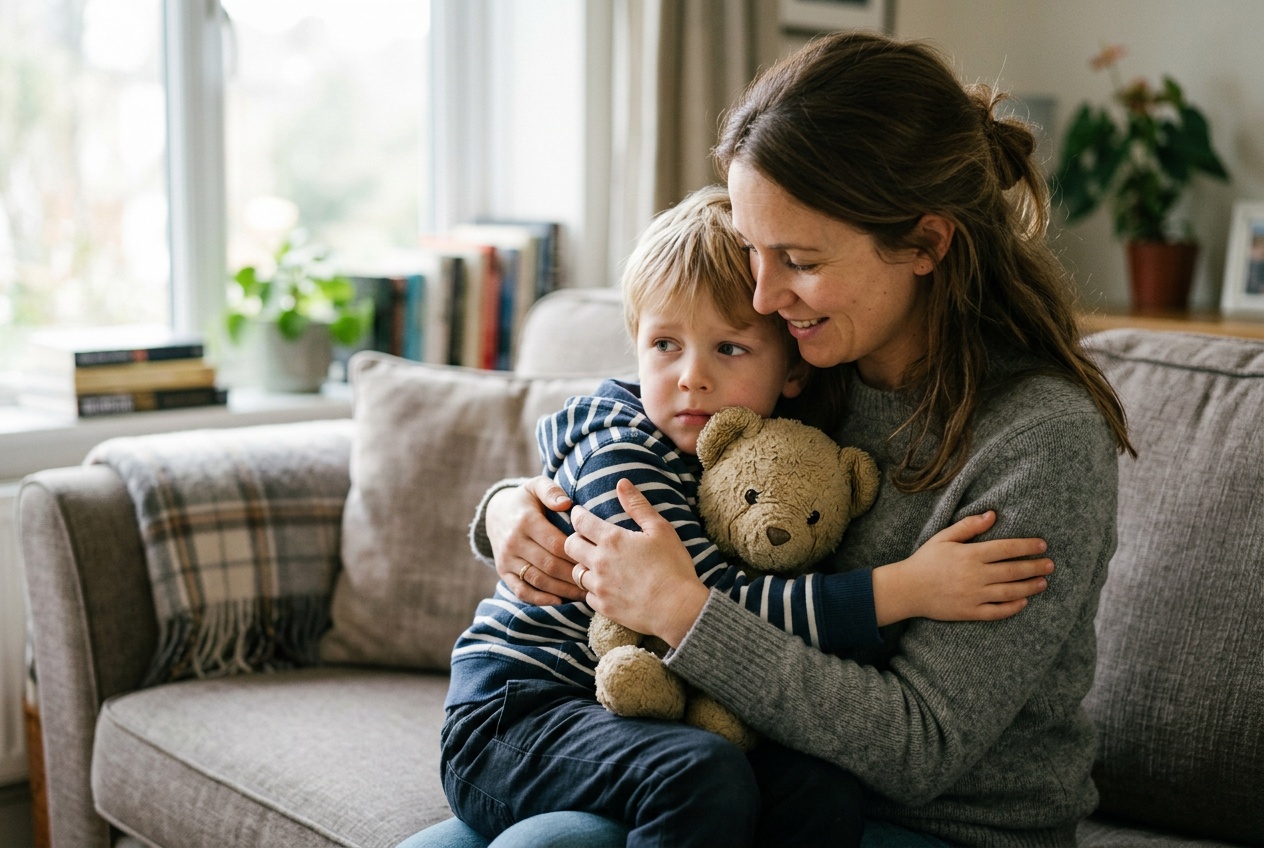
Anxiety in children is more common than many parents realize. It affects millions of kids and can show up in different ways at different ages. While some worry and fear is normal as children grow, anxiety becomes a concern when it interferes with daily activities, school, friendships, or family life.
The good news is that childhood anxiety is treatable, and with the right support, children can learn to manage their symptoms and build confidence. I’ve seen how understanding the signs early can make a real difference for families. Many parents wonder if what their child is experiencing is normal worry or something that needs attention.
In this article, I’ll walk you through how to recognize anxiety symptoms in children, what causes them, and the most effective ways to help. You’ll learn about different types of anxiety disorders, how they affect everyday life, and practical steps you can take to support your child through their struggles.
Recognizing Signs and Symptoms
Anxiety in children shows up in three main ways: through their emotions and behavior, through physical complaints, and differently depending on how old they are. Kids might show anxiety through worry and avoidance, stomachaches and sleep problems, or age-specific fears that interfere with daily life.
Emotional and Behavioral Indicators
I find that anxious children often express excessive worry about things that might happen in the future. They ask the same questions over and over, seeking reassurance about events from weeks or months ago. These kids might avoid places or activities that make them nervous, including school, social events, or sleeping away from home.
An anxious child may become clingy with parents or caregivers. They refuse to leave a parent’s side or get on the school bus without distress. Some children have explosive outbursts or tantrums when their anxiety gets overwhelming. These reactions trigger their fight-or-flight response, which can look like oppositional behavior.
I also notice that anxious kids sometimes struggle with perfectionism. They spend much longer on homework than necessary because they worry about making mistakes. A 20-minute assignment might take an hour or more.
Physical Manifestations
Physical symptoms of anxiety often confuse parents because they seem unrelated to mental health. I see children complain about stomachaches, headaches, and other body pains with no clear medical cause. These complaints happen most often before stressful situations like school or social activities.
Sleep problems are common physical signs. Kids have trouble falling asleep, wake up during the night, or experience nightmares. They may also feel tired during the day despite getting enough sleep.
Some anxious children show restlessness and can’t sit still. They appear fidgety in class or at home. This physical restlessness sometimes gets mistaken for ADHD.
Differences by Age
Anxiety develops as children’s thinking abilities grow, so different ages show different symptoms. Very young children and toddlers often experience separation anxiety. They fear being away from parents even for short periods.
School-age children worry about making friends and fitting in. They might avoid school or have trouble focusing in class. These kids often struggle with performance anxiety around tests and assignments.
Teenagers typically develop social anxiety after puberty. They become self-conscious about how others see them and may avoid social situations entirely. Teens also worry more about the future, including college, career, and relationships.
Understanding Common Anxiety Disorders
Children can develop several types of anxiety disorders, each with distinct symptoms and triggers. The most common forms include separation anxiety disorder, social anxiety disorder, generalized anxiety disorder, and specific phobias.
Separation Anxiety Disorder
Separation anxiety disorder occurs when children feel extreme distress about being away from parents or caregivers. This goes beyond the normal worry that kids their age typically experience.
Children with this condition often worry that something bad will happen to their parents. They might fear their caregiver will get sick or die. Many refuse to leave home or go to school.
Common symptoms include:
- Refusing to sleep alone or be in a room without a parent
- Nightmares about being separated from loved ones
- Physical complaints like headaches or stomachaches before separations
- Clinging behavior around parents
The symptoms must last at least four weeks for a diagnosis. Young children are more likely to develop separation anxiety disorder than older kids.
Social Anxiety Disorder
Social anxiety disorder makes children feel extremely self-conscious around other people. They fear being embarrassed or judged so much that they avoid social situations entirely.
These kids aren’t just shy. Their anxiety is intense enough to disrupt their daily life. They might avoid speaking in class even when they know the answer. Some children refuse to attend birthday parties or other social events.
Physical symptoms appear in social situations. Kids may shake, sweat, or have trouble breathing. Younger children might have tantrums or cry when forced into social settings.
The fear of others noticing their anxiety makes things worse. They worry that people will judge them for being anxious, which creates more anxiety.
Generalized Anxiety Disorder
Generalized anxiety disorder (GAD) causes children to worry excessively about many different things. The worry isn’t tied to one specific trigger. Instead, kids feel anxious about everyday situations like school performance, health, natural disasters, or family problems.
Signs of GAD in children:
- Restlessness or feeling on edge most of the time
- Getting tired easily
- Trouble concentrating on schoolwork or activities
- Increased irritability or anger
- Muscle tension
- Sleep problems
Children must experience these symptoms most days for at least six months to receive a GAD diagnosis. The worry feels impossible to control and gets in the way of normal activities.
Specific Phobias
Specific phobias involve intense fear of particular objects or situations. The fear level doesn’t match the actual danger involved. Children with phobias go out of their way to avoid what scares them, which disrupts their regular routines.
Common phobias include:
- Animals or insects - dogs, spiders, bees
- Natural elements - storms, water, heights
- Medical situations - needles, blood, doctors
- Enclosed spaces - elevators, small rooms
- Other triggers - loud noises, vomiting, choking
A child might refuse to play outside because of a bee phobia. Another might avoid swimming pools or beaches due to fear of water. These phobias become disorders when the avoidance significantly limits what a child can do.
Other Related Conditions in Children
Several mental health conditions often appear alongside anxiety in children or share similar features. Panic disorder involves sudden episodes of intense fear, selective mutism affects a child’s ability to speak in certain situations, obsessive-compulsive disorder creates patterns of unwanted thoughts and behaviors, and depression frequently occurs together with anxiety disorders.
Panic Disorder and Panic Attacks
Panic attacks are sudden episodes where a child experiences intense physical symptoms like sweating, rapid heartbeat, shortness of breath, chest discomfort, nausea, and dizziness. These episodes can make children feel like they’re choking or losing control. I’ve seen how frightening these experiences can be for both children and their parents.
When panic attacks happen repeatedly and a child develops a fear of having more attacks, this may indicate panic disorder. Children with this condition often start avoiding situations they connect with previous panic attacks. They might refuse to go to places like shopping malls, movie theaters, or even school.
The physical symptoms of panic attacks are very real. A child experiencing one might think something is seriously wrong with their body. This fear sometimes leads to emergency room visits. Parents need to understand that while panic attacks feel dangerous, they are not physically harmful.
Selective Mutism
Selective mutism is a condition where children can speak normally at home but remain silent in specific situations, most commonly at school or in social settings. This isn’t a choice or defiance. The child genuinely cannot speak in these situations due to severe anxiety.
I often explain to parents that their child isn’t being stubborn. The anxiety these children feel in certain social situations literally freezes their ability to speak. At home with family, these same children may talk freely and even be quite chatty.
This condition typically appears in young children, often becoming noticeable when they start preschool or kindergarten. Teachers might report that a child never speaks in class, while parents observe completely normal speech at home. Early identification and treatment are important because the condition can interfere with learning and social development.
Obsessive-Compulsive Disorder
Obsessive-compulsive disorder (OCD) involves two main parts: obsessions and compulsions. Obsessions are unwanted thoughts, images, or urges that repeatedly enter a child’s mind. Compulsions are repetitive behaviors or mental acts that a child feels driven to perform in response to these obsessions.
Common obsessions in children include fears about germs, harm coming to loved ones, things being “just right,” or forbidden thoughts. Compulsions might include excessive handwashing, checking locks repeatedly, arranging items in a specific order, or counting.
Children with OCD recognize that their thoughts and behaviors don’t make sense, but they feel unable to stop them. The compulsions temporarily reduce anxiety, which reinforces the cycle. This condition differs from normal childhood routines or preferences because it causes significant distress and takes up considerable time.
Depression in Children
Depression and anxiety frequently occur together in children. A child may develop depression after struggling with anxiety for an extended period, or both conditions may appear simultaneously. The combination of these conditions can intensify symptoms and make daily functioning more difficult.
Signs of depression in children include persistent sadness, irritability, loss of interest in activities they once enjoyed, changes in sleep patterns, appetite changes, low energy, and difficulty concentrating. Younger children might show depression through increased complaints about physical aches and pains.
I find it important to note that depression in children can look different than in adults. Children might appear more irritable or angry rather than sad. They may withdraw from friends, show declining school performance, or express feelings of worthlessness. When anxiety and depression occur together, children need comprehensive assessment and treatment that addresses both conditions.
Causes and Risk Factors
Anxiety in children develops from a combination of biological, environmental, and family-related factors. Research shows that genetics, life experiences, and parenting approaches all play important roles in whether a child develops an anxiety disorder.
Genetic Influences
I’ve observed that genetics significantly influence childhood anxiety. Children with parents or close relatives who have anxiety disorders are more likely to develop anxiety themselves. This happens because certain genes affect how the brain processes fear and stress.
Brain chemistry also plays a role. Some children are born with nervous systems that react more strongly to stress. Their brains may produce different levels of chemicals like serotonin and dopamine, which help regulate mood and anxiety.
Temperament is another biological factor I consider important. Children who are naturally shy, cautious, or easily upset by new situations have a higher risk of developing anxiety disorders. These temperament traits appear early in life and remain fairly stable as children grow.
Environmental and Social Factors
Life experiences shape how anxiety develops in children. Stressful or traumatic events like accidents, natural disasters, or witnessing violence can trigger anxiety disorders. Even ongoing stress from school pressure or friendship problems can contribute to anxiety in children.
Low socioeconomic status increases risk because it often means more exposure to uncertainty and fewer resources for support. Children living in unstable environments face more daily stressors that can lead to chronic anxiety.
Social situations also matter. Kids who experience bullying, social rejection, or difficulty making friends are more vulnerable to social anxiety. Moving to a new school or neighborhood can also trigger anxiety symptoms in some children.
Family and Parenting Dynamics
Family environment strongly influences childhood anxiety. I find that parenting style makes a real difference. Overprotective parenting can prevent children from learning to handle challenges on their own. When parents constantly shield kids from minor risks, those children may not develop healthy coping skills.
Anxious parents often model worried behavior that children copy. Kids learn by watching how their parents react to stress and uncertainty. If a parent frequently expresses worry or avoids situations due to fear, children may adopt similar patterns.
Family conflict and instability also contribute to anxiety disorders. Children need predictable routines and emotional safety at home. Frequent arguments, divorce, or inconsistent discipline can make kids feel insecure and anxious about what might happen next.
Impact on Everyday Life
Anxiety in children affects three major areas of daily functioning: academic success, social connections, and home life dynamics. These effects can range from mild disruptions to significant challenges that require professional support.
School and Academic Performance
School avoidance is one of the most visible signs of anxiety in children. An anxious child may resist going to school, complain of stomachaches or headaches in the morning, or ask to come home early. These behaviors stem from real fear rather than defiance.
Academic performance often suffers when anxiety takes hold. Children may struggle to concentrate during tests or classroom activities. They might avoid participating in class discussions or asking questions even when they need help. Some children spend so much mental energy managing their worry that they have little left for learning new material.
Homework and assignments can become major sources of stress. A child with anxiety might spend hours on a simple task, checking and rechecking their work. They may fear making mistakes or disappointing teachers. In severe cases, children refuse to complete assignments at all because the anxiety feels too overwhelming.
Peer Relationships and Social Development
Making and keeping friends becomes harder for children dealing with anxiety. They may avoid social situations like birthday parties, playdates, or group activities. This isolation can prevent them from developing important social skills at critical developmental stages.
During interactions with peers, anxious children often hold back. They might not share their ideas or join in games. Some worry constantly about what others think of them. Others fear saying or doing something embarrassing.
Group work at school presents unique challenges. Children with anxiety may struggle to voice their opinions or may take over the entire project to avoid perceived failure. These patterns can lead to conflicts with classmates and further social isolation.
Family Functioning
Family routines often revolve around managing an anxious child’s needs. Morning preparations may take longer due to resistance or physical complaints. Bedtime can become stressful when children express fears about sleeping alone or having nightmares.
Parents frequently adjust their schedules and plans to accommodate their child’s anxiety. They might skip family gatherings, cancel trips, or avoid certain activities. Siblings sometimes feel overlooked when parents focus heavily on the anxious child’s needs.
Communication patterns within the family can shift. Parents may find themselves constantly reassuring their child or negotiating around feared situations. This can create tension between caregivers about the best approach to help their child.
Supporting Children With Anxiety
Helping an anxious child requires a balance of everyday support at home and knowing when to seek outside help. Parents can use specific strategies to reduce anxiety while watching for signs that professional treatment might be needed.
At-Home Strategies and Parental Support
I recommend focusing on helping your child manage anxiety rather than trying to eliminate it completely. This means teaching them to function even when they feel anxious.
Don’t avoid anxiety triggers. When you help your child avoid things that make them nervous, it provides short-term relief but makes anxiety worse over time. Instead, encourage them to face their fears gradually while you provide support.
Validate feelings without empowering them. I can acknowledge that my child feels scared without agreeing that the situation is actually dangerous. The message should be: “I know you’re scared, and that’s okay. I’m here to help you get through this.”
Keep the waiting period short. Anxiety peaks before the scary event happens. I avoid talking about stressful situations hours in advance, which only increases worry.
Model healthy coping. Children watch how I handle my own stress. When I manage anxiety calmly and talk about getting through difficult moments, they learn to do the same.
Seeking Professional Help
Professional support becomes important when anxiety impacts daily functioning. I should contact my child’s doctor or a mental health professional if anxiety interferes with school, friendships, or family activities.
Common signs that warrant professional help:
- Refusing to attend school regularly
- Avoiding social activities or friendships
- Physical symptoms like frequent stomachaches or headaches
- Sleep problems or nightmares
- Panic attacks or intense fear responses
I can start by talking to my child’s teacher or school counselor. They often notice signs of anxiety and can recommend resources. Mental health professionals who specialize in childhood anxiety disorders use proven methods like cognitive behavioral therapy to help children develop coping skills.
When to Consider Treatment
Treatment for anxiety in children typically involves therapy, family support, and sometimes medication for severe cases. I should consider formal treatment when my child’s anxiety doesn’t improve with at-home strategies or when it significantly disrupts their life.
Therapy works best when it includes:
- Helping children understand their anxious thoughts
- Gradual exposure to feared situations
- Teaching specific coping techniques
- Involving parents in the treatment process
Most children benefit from therapy alone. Medication might be discussed for severe anxiety disorders that don’t respond to other treatments. The decision should involve careful evaluation by a psychiatrist or pediatrician who specializes in childhood mental health.