
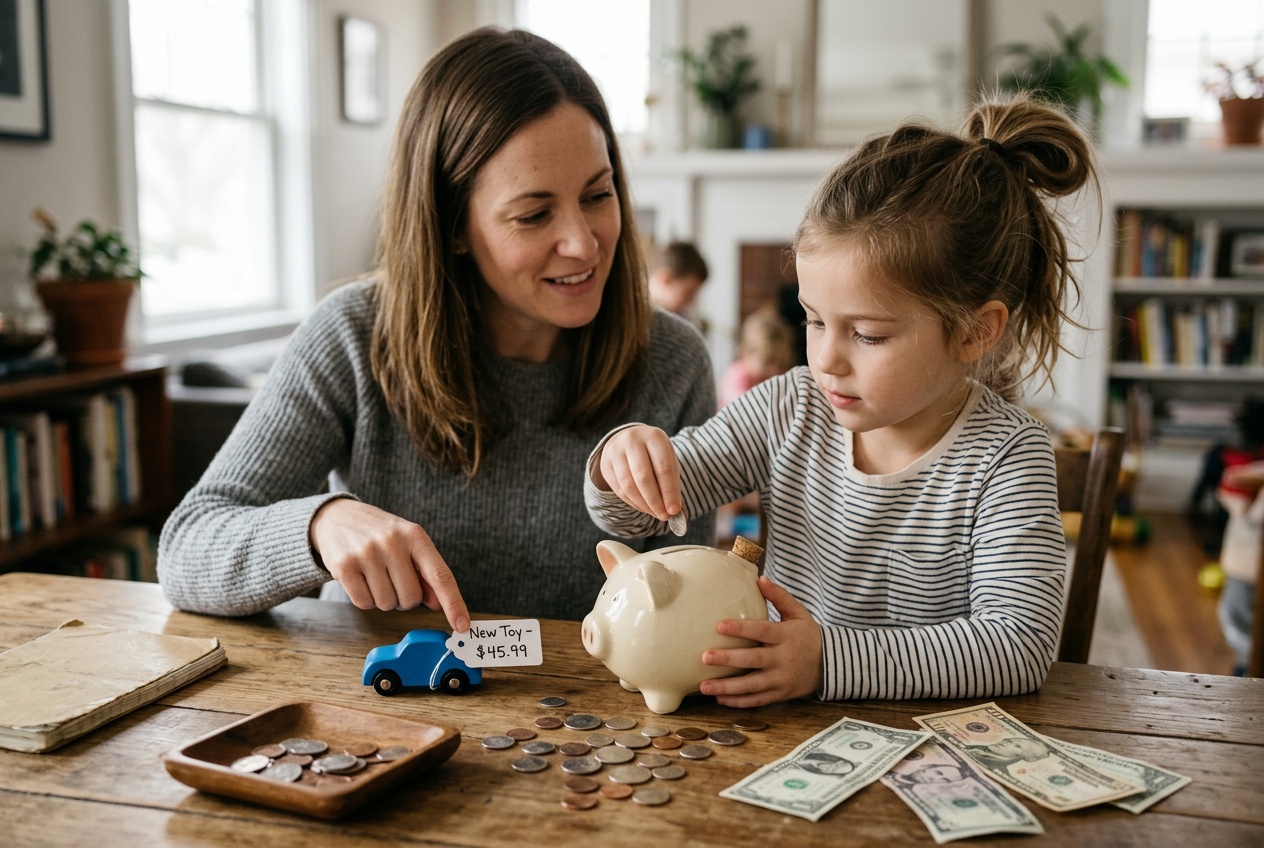
Teaching kids about money is one of the most important responsibilities parents have, yet many adults report feeling unprepared for this task. Children who learn personal finance education early develop healthy money habits that benefit them throughout their entire lives. The truth is, kids are never too young to start learning basic concepts about earning, saving, and spending.
Financial literacy doesn’t happen by accident. Kids need direct guidance to understand where money comes from, how to make smart choices with it, and why saving matters. Without these lessons, many young adults enter the workforce without basic money management skills.
I’ve gathered practical strategies that make teaching kids about money straightforward and effective. From simple activities for young children to more complex concepts for teens, this guide covers everything you need to build your child’s financial confidence at every stage.
Key Money Concepts Children Need to Learn
Children need to grasp three foundational ideas before they can develop strong financial literacy skills: money must be earned through work, physical currency has different forms and values, and money represents purchasing power for goods and services.
Understanding Where Money Comes From
I always start by explaining that money doesn’t appear out of thin air. Adults earn money by working at jobs where they provide services or create products that others need. This concept helps children understand that money is a reward for contributing value to others.
Young children can learn this through simple examples. When I go to work, I use my skills and time to help my employer, and they pay me for that effort. The same applies to business owners who earn money by selling goods or services to customers.
Teaching methods that work:
- Assign age-appropriate chores with small payments
- Point out different jobs when you see workers in the community
- Explain your own job in simple terms they can understand
Children who connect money to work develop a stronger work ethic. They learn that having money requires effort and responsibility. This foundation shapes how they view earning, spending, and saving throughout their lives.
Coins and Bills: Recognizing Currency
I find that hands-on practice with real or play money helps children identify different denominations. Start with pennies, nickels, dimes, and quarters. Show them the physical differences in size, color, and the images on each coin.
Bills require similar attention. Children need to recognize $1, $5, $10, and $20 bills by looking at the numbers and the different colors or portraits on each one. Practice counting mixed combinations of coins and bills to build confidence.
| Coin | Value | Key Feature |
|---|---|---|
| Penny | 1¢ | Copper color |
| Nickel | 5¢ | Larger, silver |
| Dime | 10¢ | Smallest, ridged edge |
| Quarter | 25¢ | Largest, ridged edge |
Games and real shopping trips give children practice. Let them count out exact change at the store or sort coins into groups at home.
The Value of Money Explained
I explain that money’s value lies in what it can buy, not just the physical coin or bill itself. A quarter buys more than a nickel because we all agree it has more purchasing power. This agreement makes our economy work.
Children grasp this concept when they see price tags. A toy costs $10 because the store owner values it at that amount based on what it cost to make and sell. When we pay that price, we’re trading our money for something we value more than the cash itself.
Real-world value lessons:
- Compare prices of similar items at different stores
- Discuss why some items cost more than others
- Show how the same amount of money buys different quantities of various goods
Understanding value helps with personal finance decisions. Children learn to evaluate whether something is worth its price. They begin asking themselves if they want an item enough to trade their hard-earned money for it.
Practical Strategies for Teaching Money Skills
Teaching money skills works best when kids can see, touch, and practice with real money through hands-on methods. These strategies turn abstract concepts into concrete lessons that stick with children as they grow.
Using Piggy Banks and Savings Jars
Piggy banks give young children their first chance to watch money grow over time. I recommend using clear jars instead of traditional piggy banks so kids can see their savings increase with each coin or bill they add.
The clear container method makes saving feel real and rewarding. Kids can watch the jar fill up and count their progress toward a goal.
I suggest setting up multiple jars for different purposes like saving, spending, and sharing. This system teaches kids to split their money into categories before they spend it all at once. Label each jar clearly and let your child decorate them to build ownership.
For younger kids, start with coins only. They can practice counting and sorting while building their savings. As children get older, add paper money and help them track their totals in a simple notebook.
Introducing Pocket Money and Allowances
Pocket money creates regular opportunities for kids to make spending decisions and learn from the outcomes. I find that starting allowances around age 5 or 6 gives kids enough understanding to grasp basic money management.
You can tie allowances to age-appropriate chores or give them as a tool for learning without connecting them to tasks. Either approach works if you stay consistent.
Start with small amounts paid weekly rather than monthly. Younger kids need frequent practice to understand how cash works. As they get older, you can switch to monthly payments to help them plan ahead.
Set clear rules about what the allowance should cover. Some families expect kids to pay for treats and toys while others include clothing or entertainment. Whatever you choose, write it down so everyone knows the boundaries.
Making the Most of Everyday Money Moments
Daily activities offer countless chances to teach kids about spending wisely without formal lessons. I use grocery shopping as a hands-on classroom where kids can compare prices, calculate savings, and stick to a budget.
Give your child a small amount of cash at the store and let them choose a snack within that limit. They’ll learn quickly that they can’t buy everything they want and must make choices.
Let older kids pay for items at checkout and count the change. This builds confidence with cash transactions and math skills at the same time.
Talk out loud about your own spending decisions. Explain why you choose one brand over another or why you’re waiting for a sale. These casual conversations help kids understand that adults think carefully about money too.
Restaurant visits, garage sales, and online shopping all create moments to discuss wants versus needs, quality versus price, and patience in purchasing.
Age-by-Age Guide to Building Money Confidence
Children develop financial understanding in stages, and I’ve found that matching money lessons to their developmental abilities creates lasting confidence. Teaching kids about money works best when you introduce concepts at the right time and build on them as your child grows.
Preschool and Early Elementary Lessons
I recommend starting personal finance education between ages 3 and 6 with simple, hands-on activities. Young children can learn to identify coins and bills through play and everyday interactions.
Key concepts for this age group:
- The basic idea that money is used to buy things
- Difference between needs (food, clothes, shelter) and wants (toys, treats)
- Simple saving using a clear jar or piggy bank
I suggest giving small amounts of money for age-appropriate tasks like putting away toys or helping set the table. This teaches that money comes from work. When your child wants something at the store, ask them to count out coins or help you hand money to the cashier.
Games like pretend store or restaurant help make financial literacy fun. Use play money to practice buying and selling. I’ve seen children grasp these concepts quickly when they can touch and move actual coins.
Start with one or two concepts at a time. The goal is familiarity, not mastery.
Money Teaching Methods for Tweens
Ages 7 to 12 mark a shift toward more complex thinking about money. I find this is the perfect time to introduce budgeting and goal-setting.
Your tween can manage a regular allowance divided into categories: spending, saving, and giving. I recommend the 50/40/10 split as a starting point—50% for saving, 40% for spending, and 10% for giving to others.
Skills to develop:
- Comparing prices and finding better deals
- Tracking money in and out
- Saving toward specific goals that take weeks or months
- Understanding that choosing one thing means giving up another
Teaching kids about money at this stage means letting them make small mistakes. If they spend their allowance too quickly, they learn to plan better next time. I encourage parents to avoid rescuing kids from these minor consequences.
Open a savings account together and show them how deposits add up. Many banks offer youth accounts with no fees. Some families introduce prepaid debit cards so tweens can practice digital transactions safely.
Essential Teen Money Lessons
Teenagers need practical skills they’ll use immediately after leaving home. I focus on real-world applications of financial literacy during ages 13 to 18.
Teens can understand interest, both the kind they earn on savings and the kind they pay on debt. Show them how credit cards work and why carrying a balance costs money. I explain that a $1,000 purchase on a credit card at 20% interest takes years to pay off with minimum payments.
Critical topics include:
- Creating and sticking to a budget
- The difference between debit and credit cards
- How student loans and other debt work
- Basic investing concepts like stocks and compound interest
- Researching career options and their earning potential
I encourage teens to earn their own money through part-time jobs or small businesses. Real income makes financial lessons concrete. Help them open a checking account and review statements together monthly.
This age is also right for discussing bigger financial decisions. Talk about college costs, car expenses, and apartment deposits. I share my own money mistakes and what I learned from them.
Developing Smart Money Habits Through Activities
Activities that involve handling money, making choices, and tracking results help children build skills they’ll use throughout their lives. Games and real-world practice make abstract money concepts clear and memorable.
Hands-On Games and Role Play
I recommend starting with a play store setup at home. Give your child play money and set up items with price tags. They practice counting money, making change, and staying within a budget.
Board games work well too. Monopoly Junior teaches buying, selling, and money management in a format kids enjoy. The game shows how spending decisions affect what you can do later.
A lemonade stand takes role play further. Your child learns about costs when buying supplies and profits when selling drinks. They see how pricing affects sales and understand that business means tracking money coming in and going out.
I suggest letting kids run a small shop for an afternoon. They set prices, handle transactions, and count their earnings at the end. This hands-on approach makes money feel real instead of abstract.
Budgeting with Real-Life Scenarios
Give your child a weekly allowance divided into categories: saving, spending, and giving. They must stick to this budget until the next payment. This shows them that money runs out and planning matters.
I use shopping trips as teaching moments. Hand your child a small amount and ask them to buy ingredients for dinner or snacks for the week. They compare prices, read labels, and make choices based on their budget limit.
Assign cash values to household chores. Your child earns money by completing tasks and decides how to use those earnings. They learn that work creates income and that their choices determine what they can afford.
Track a savings goal together using a chart. Each time your child adds money, they see progress toward something they want. This teaches patience and shows why saving matters for bigger purchases.
Comparison Shopping Challenges
I create shopping challenges where my child compares two similar items and picks the better value. They look at price per ounce, quality differences, and whether features justify higher costs.
During grocery trips, give your child two brands of the same product. Ask them which costs less and by how much. This basic comparison shopping builds awareness of price differences and smart spending decisions.
Try online comparison exercises too. Show your child the same toy or game on different websites. They learn that stores charge different amounts and that checking prices saves money. This skill applies to every purchase they’ll make as adults.
Saving, Earning, and Growing Money
Children need practical experience with saving, earning, and watching their money grow to build lasting financial skills. Teaching these concepts through hands-on activities helps kids understand how money accumulates and why patience pays off.
Setting and Reaching Savings Goals
I recommend starting with short-term goals that kids can achieve quickly. A younger child might save for a toy that costs $20, while an older child could work toward a $100 video game. The key is choosing targets that feel real and exciting to them.
Help your child calculate how much they need to save each week. If they want a $30 item and receive $5 weekly, they’ll reach their goal in six weeks. This math builds understanding of the value of money and planning.
Use separate jars or envelopes for different goals. One jar holds spending money for immediate use. Other containers represent specific savings targets like “new bike” or “amusement park trip.”
I suggest parents consider matching contributions to keep kids motivated. When you add $1 for every $2 they save, children reach goals faster and learn that saving matters to their family.
Opening and Managing Savings Accounts
A real savings account teaches kids how banks work and why people use them. I look for accounts with no monthly fees and interest payments so children see their balance grow over time.
Take your child to the bank to open their account. Let them fill out forms, ask questions, and make the first deposit themselves. This hands-on experience makes personal finance feel real instead of abstract.
Show them how to read account statements each month. Point out the interest earned and discuss how keeping money in the account helps it grow. Many banks offer youth accounts designed specifically for learning these concepts.
Encourage regular deposits, even if they’re small. Setting up automatic transfers from allowances or gift money builds the habit of saving first.
Introducing Compound Interest
Compound interest means earning interest on both the original money and the interest already earned. I explain this to kids as “your money making more money for you.”
Use a simple example: $100 in a savings account earning 2% annual interest becomes $102 after one year. The next year, they earn interest on $102 instead of just $100. After five years, they’d have about $110 without adding any new money.
Show them the difference between keeping money in a piggy bank versus a savings account. The piggy bank holds exactly what they put in. The savings account grows on its own.
Early Lessons in Earning Money
Kids can earn money through allowances, chores, or small jobs for neighbors. I believe starting with age-appropriate tasks builds work ethic and financial independence.
Ways children can earn money:
- Babysitting for family friends
- Walking dogs in the neighborhood
- Yard work like raking leaves or weeding
- Selling outgrown toys or clothes
- Tutoring younger students in subjects they excel at
- Shoveling snow from driveways
Allowances teach money management even without extra work required. I set clear expectations about what the allowance should cover. Younger kids might use it for treats and toys. Teenagers could pay for entertainment and personal items.
When kids get their first real job as teenagers, I encourage them to save a portion of each paycheck automatically. This builds the habit of paying themselves first before spending on wants.
Preparing Kids for Advanced Financial Decisions
As kids grow into teenagers, they need to understand more complex money topics like credit cards, debit cards, and how to spot financial risks. These skills help them make smart choices with their own money and avoid costly mistakes.
Understanding Credit and Debit
I always explain to kids that debit cards use money they already have in their bank account. When they swipe a debit card, the money comes out right away. Credit cards work differently because they let people borrow money that must be paid back later.
Credit cards charge interest if the balance isn’t paid in full each month. This means buying something for $100 could end up costing $120 or more if they only make minimum payments. I teach teens to treat credit cards carefully and only charge what they can pay off quickly.
Key differences between credit and debit:
- Debit: Uses existing money from bank account
- Credit: Borrows money that must be repaid with interest
- Debit: No debt risk
- Credit: Can lead to debt if misused
Building good credit helps with future goals like renting apartments or buying cars. I encourage teens to start with one secured credit card or become an authorized user on a parent’s card to learn responsible habits.
Recognizing Financial Risks
I teach kids to spot situations where they might lose money or make poor financial decisions. Scams target young people through social media, fake websites, and text messages asking for personal information. They should never share bank details, passwords, or social security numbers online.
Peer pressure creates financial risk too. Friends might encourage spending on expensive items or activities beyond their budget. I help teens practice saying no and sticking to their spending plans.
Investment risks matter as they get older. Not every way to make money is safe or legitimate. Promises of quick profits often signal scams. I explain that real investing takes time and research.
Spending Wisely as They Age
Teenagers face more spending temptations than younger children. Between social activities, technology, and fashion trends, money disappears quickly without a plan. I encourage them to pause before purchases and ask if they really need the item or just want it temporarily.
The 24-hour rule helps reduce impulse buying. If they want something expensive, they wait a full day before purchasing. Many times, the urge to buy fades. I also teach them to compare prices across stores and look for sales on items they actually need.
As teens earn more money from jobs, they should increase their savings rate. I recommend saving at least 20% of each paycheck for future goals. This builds habits that serve them well in adulthood when managing rent, car payments, and other personal finance responsibilities.